Pest Control for Sunset Hills Homeowners
Request your estimate first
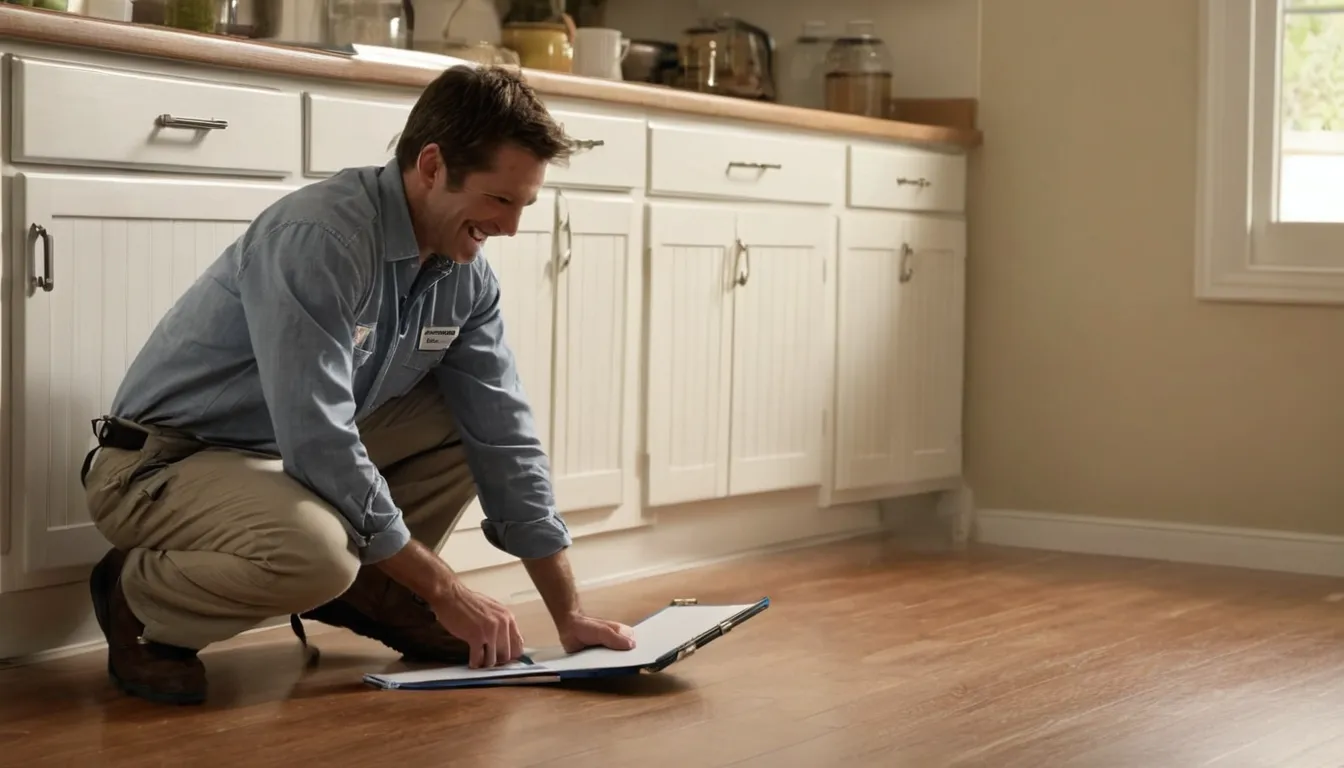
Sparetranslation Pest Control is a referral service. We do not treat homes ourselves. We connect homeowners in Sunset Hills and the Sunset Hills area with independent pest control providers who inspect, treat, and follow up on the problem.
The process is simple. First, you describe what you are seeing. Next, a provider in our network reaches out with questions and, in many cases, a written estimate. Then you compare, ask more questions, and decide. There is no obligation at any step. Providers set their own prices, methods, and schedules, so details differ from one company to the next. Our job is to make the first step easier, so you spend less time searching and more time choosing a plan that fits your home and your budget.
Seeing Pests? Do These Three Things First
Start with a short checklist. It keeps you organized while you wait on estimates.
1. Note what you saw, where, and when. 2. Take a clear photo or save a sample if you can do so safely. 3. Request an estimate so providers can respond.
That is enough to begin. You do not need to know the exact pest. A provider can identify it during an inspection.
Why Acting Early Matters
Small pest problems grow. A few ants can become a trail. One roach can point to a hidden nest. Termites can chew on wood for months before anyone sees damage.
Early action usually means a simpler treatment. It also limits the chance that food gets contaminated or that structural wood is weakened. Waiting rarely makes a job cheaper.
What Residential Pest Control Covers
Residential pest control is the treatment of insects and similar pests in and around a house. Scope varies by provider, so read each estimate closely. A typical visit may include:
- An inspection of the inside, the foundation, and the yard edges
- Identifying the pest and where it is getting in
- Targeted treatment of nests, trails, and entry points
- Advice on moisture, food storage, and clutter
- A follow-up visit when the pest needs one
Common Pests Providers Treat
Providers in our network commonly handle the pests below. Not every provider treats every pest, so confirm before you agree to anything.
Ants, Roaches, and Spiders
These are the most frequent calls. Ants follow food and moisture. Roaches hide in kitchens, baths, and basements. Spiders move in where other insects live. Treating the food source for these pests often matters as much as treating the spiders themselves.
Crickets and Other Invaders
Crickets and similar pests slip in through gaps near doors, windows, and foundations. After heavy rain or spring flooding, they often move indoors in larger numbers.
Termites
Termites need a trained eye. Look for mud tubes, soft wood, or discarded wings. If you see any of these, ask providers about a termite inspection and written treatment options.
Bed Bug Treatment
Bed bugs are tough. Home sprays from a store rarely reach every hiding spot. Providers use inspection, heat, or targeted products, and they may ask you to prepare bedding and furniture first.
DIY or Pro: Where You Can Help
Some steps are safe for you to do. Others need equipment and training.
Safe for you:
- Wipe counters and sweep crumbs
- Store food in sealed containers
- Fix drips and empty standing water
- Clear clutter near walls and in basements
Better left to a provider:
- Treating inside walls or crawl spaces
- Termite work of any kind
- Bed bug treatment
- Applying restricted-use products
Store-bought sprays can scatter some pests and make treatment harder later. If the problem returns after a week or two, stop and get an estimate.
Questions About Product Safety
Ask this before any treatment starts. A good provider will answer plainly.
- Which products will be used, and where?
- Are they safe around children and pets?
- How long should people and pets stay out?
- Is there a printed label or safety sheet?
Many providers can use targeted methods such as baits, gels, and sealing gaps. Tell them about anyone in the home who is pregnant, ill, or sensitive to smells. Also mention pets like fish and birds.
One-Time Treatment or Ongoing Plan?
This is the choice most estimates ask you to make. Compare them side by side.
- One-time treatment: fits a single, clear problem, such as an ant trail in the kitchen.
- Ongoing plan: fits repeat visitors, older frame houses, or homes with damp basements.
With a plan, ask what each visit includes and whether extra visits are billed separately. Ask how to cancel. A fair plan is easy to read and easy to leave.
How to Compare Estimates
Use the same checklist for every quote:
1. Which pest is named, and how was it identified? 2. What exactly is being treated? 3. How many visits are included? 4. What is the total price in writing? 5. What happens if pests return?
A low price with vague wording is not always a deal. A higher price may include follow-up that others leave out. Compare, then decide.
Helping Treatment Work
Once you pick a provider, follow the prep list. First, clear the areas they will treat. Next, put away food, dishes, and pet items as asked. Then keep sweeping and wiping, but do not spray over treated spots.
Expect to see a few pests for a short time afterward. That can be normal. If activity continues well past the period the provider named, contact them again.
Our climate adds its own pressure. Cold winters push pests into warm houses. Humid summers feed them. Spring flooding sends them up from damp ground. A provider can explain which season matters most for your home.
What's Included
Home Inspection
A provider checks rooms, basements, and the outside walls to find the pest, its path, and what is attracting it.
Targeted Treatment
Baits, sprays, or dusts are placed where pests nest and travel, not scattered everywhere.
Entry Point Advice
Providers point out gaps, moisture, and food sources, so the problem is less likely to return.
Follow-Up Visits
Some pests need a second look. Many providers offer a check to confirm the treatment worked.
Typical Pest Control Costs
Prices depend on the pest, the size of the home, and how bad the problem is. These are typical U.S. ranges only. Always ask for a written quote before work starts.
| Service | Typical range | Notes |
|---|---|---|
| Inspection | $75 – $250 | Sometimes applied to treatment if you hire that provider |
| One-time general treatment | $100 – $350 | Ants, spiders, roaches, and crickets |
| Ongoing quarterly plan | $40 – $90 per visit | Often billed per visit or monthly |
| Roach treatment | $150 – $600 | Heavy cases may need repeat visits |
| Termite treatment | $500 – $3,000 | Depends on method and home size |
| Bed bug treatment | $300 – $2,500 | Heat methods cost more than sprays |
How It Works
Describe the Problem
Tell us what pest you see, where in the house, and how long it has been going on.
Hear From Providers
A provider in our network may contact you with questions and a written estimate.
Compare Quotes
Line up price, scope, and follow-up. Ask anything that is unclear.
Decide With No Pressure
Choose a provider and schedule, or decline. Either way, you owe nothing to Sparetranslation Pest Control.
Why Call Sparetranslation Pest Control
Compare Options
Request one estimate and hear from providers in our network, so you can weigh prices and methods side by side.
No Obligation
Asking for an estimate does not commit you. Take your time and say no if it is not right.
Local Providers
Providers know the pests that show up in local homes, from older frame houses to basements.
Clear Roles
Sparetranslation Pest Control makes the introduction. The provider does the work and sets the price.
Other Services
Need pest control in Sunset Hills?
Send a short request with the pest and the room. Independent providers in our network review it and reply with questions and a written quote.
No obligationPest Control FAQ
How do I find an exterminator near me?
Request an estimate through Sparetranslation Pest Control and describe your pest problem. Providers in our network may reply with questions or written quotes. You can compare them, ask follow-ups, and choose with no obligation.
Is pest control safe for kids and pets?
It can be when done correctly. Ask each provider which products they use, where they apply them, and how long people and pets should stay out. Get those answers in writing before treatment starts.
How much does residential pest control cost?
Typical U.S. prices run from about $100 to $350 for a one-time treatment, and more for termites or bed bugs. Costs vary by job, so compare written quotes from more than one provider.
Reach a local provider
Send a short request with the pest and the room. Independent providers in our network review it and reply with questions and a written quote.
No obligation